

Welcome to
Mission Valley Veterinary Clinic
in Fremont, CA
We offer compassionate and comprehensive veterinary care in Fremont, CA.
Urgent care and same-day visits available!
Proudly Welcoming New Clients!
About Us
Mission Valley Veterinary Clinic
Mission Valley Veterinary Clinic is proud to serve the pets of Fremont and the greater Bay Area. Our team is committed to educating our clients on how to keep their pets healthy, and we use the latest advances in veterinary technology to help them live long healthy lives. Above all, we remember that all animals and pets need to be treated with compassion.
Our Veterinary Services
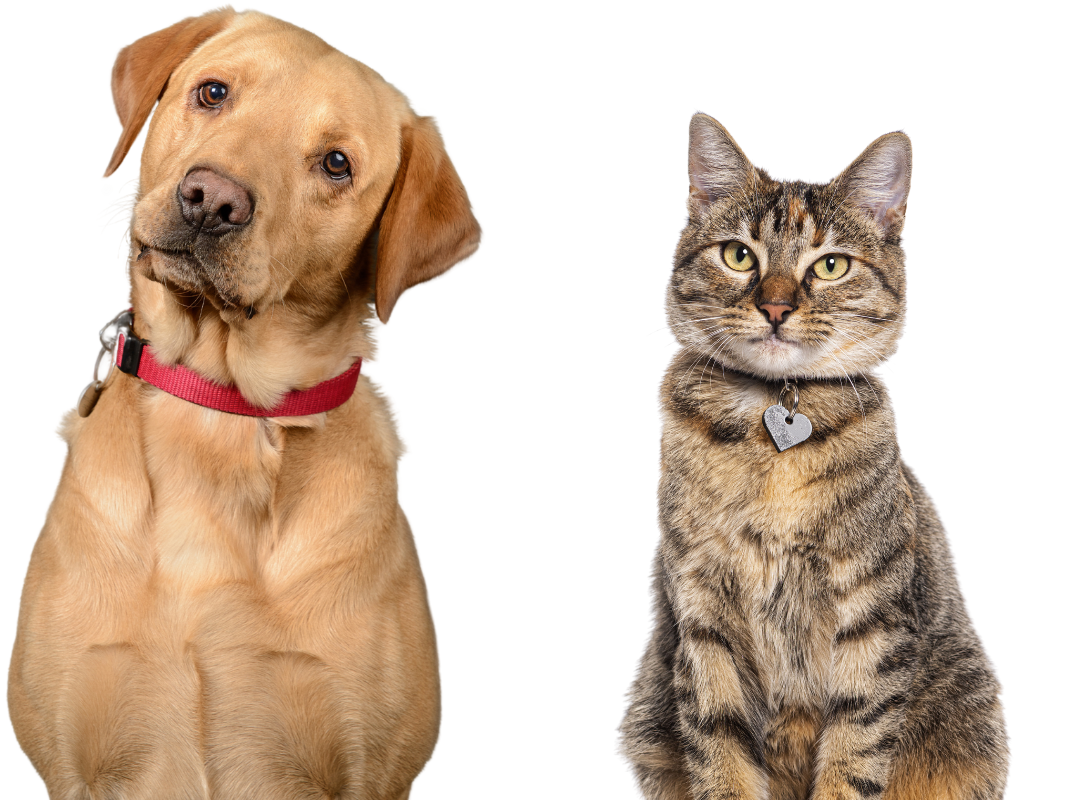
We are a full-service animal hospital and can help care for your family’s pets. We treat many different types of animals, such as dogs, cats, pocket pets, and birds, and we offer both preventative care and specialty veterinary services.

Pet General Surgeries
Our hospital provides a full range of surgical services, from standard spaying and neutering to advanced, highly specialized procedures.

Pet Wellness Visits
The saying goes that an ounce of prevention is worth a pound of cure, and we couldn’t agree more! At Mission Valley, preventative medicine is the cornerstone of our care.

Pet Dental Care

Pet Microchipping
At Mission Valley Veterinary Clinic, we encourage all pet owners to microchip their animal companions.
Meet Our Veterinary Team
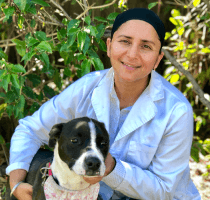
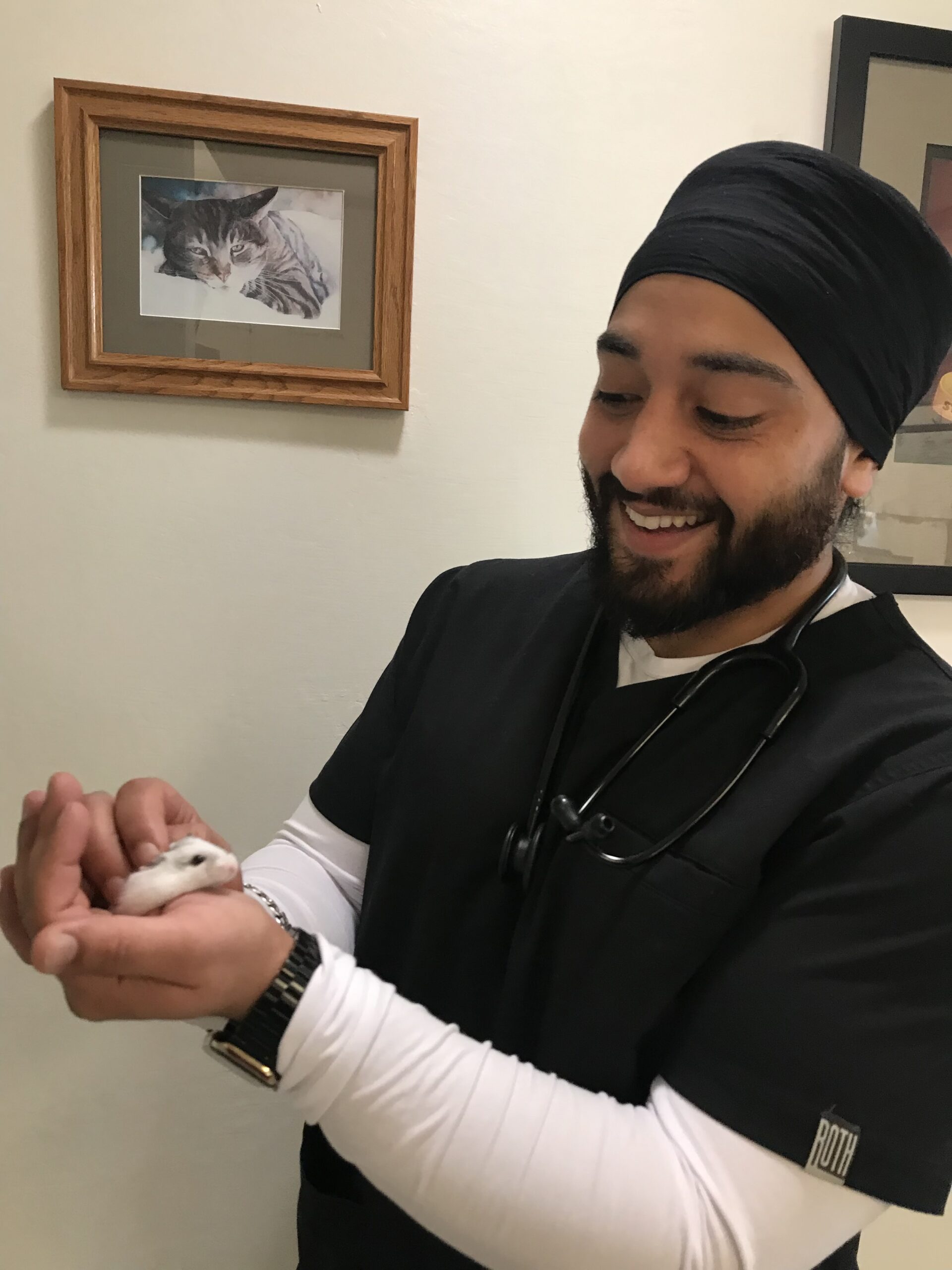
Our veterinary team is the heart of Mission Valley Vet Clinic, and we love being able to provide quality care for your furry family members. We are dedicated to providing a warm and friendly atmosphere for you and your pet to feel safe when they visit for their appointment.
Thank you for making us one of the highest-rated veterinary hospitals in Fremont, CA.
The doctor is very willing to explain symptoms of my pet and go over treatment plans. The front staff is also very friendly. They have a great app that you can use to book appointments and earn points. A major upgrade from my last vet.
Jesus F.
Dr. Virk spayed and neutered my 4-month old kittens in January and did a fantastic job. Kittens recovered quickly! This office staff is very friendly, so each visit is a great experience. Shout-out to Berenice and Leslie for answering all my questions and reviewing prices with me!
Jazmin